There is no denying that we live in a world where the internet is becoming more and more vital. Businesses are constantly looking for new and creative ways to stand out online. The problem is, so is everyone else.
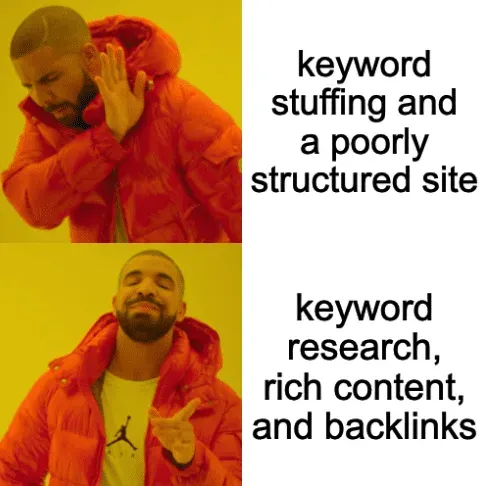
That is where SEO comes in. But we are not talking about the old-school keyword stuffing version of SEO. We are talking about something much more powerful.
When Search Engine Optimisation is done properly, it can skyrocket your online presence to heights you may have only dreamed of. The question is, how do you get there? What does good SEO management actually look like?
Settle in, grab a snack, and read on. Here is your guide to SEO management, what it is, what it involves, and the key elements you should be focusing on.
What exactly is SEO?
If you’ve landed on a digital marketing site like ours, there’s a good chance you already have a rough idea of what SEO is.
At its core, Search Engine Optimisation is about making changes to your website so it shows up higher in Google and other search engines. The higher you appear, the more people see your site. And the more people who see your site, the more chances you have to generate enquiries and leads.
It mainly comes down to how your site uses things like keywords, backlinks, and the content on your pages. Get those right, and you give your website the best possible shot at ranking well in search results.
How long will it take me to benefit from SEO?
A common misconception that trips a lot of business owners up is expecting SEO to deliver instant results. In reality, SEO takes time and it takes ongoing attention. Say it with me. Time and attention.
When it is done properly, an SEO campaign can produce some seriously good results. But it needs to be built on a solid, well-thought-out strategy. Knowing what should actually go into a campaign like this can be confusing, which is exactly why we are here to help.
The problem with throwing together a half-baked SEO campaign is that results simply will not come. Not in a week. Not in a month. And sometimes not even in a year. That is usually when people start thinking SEO is not worth it.
The truth is, it absolutely is. It just comes down to making sure it is being done properly. Even if progress feels slow at first, the results do come when the foundations are right.
What is an SEO campaign?
SEO campaigns are bigger than most people expect. They involve planning, organising, and building a strategy around your business and your goals. If those pieces are not in place, your SEO results usually suffer.
Building and running an effective SEO campaign takes time, effort, and consistent attention. It is not something you set up once and forget about.
How can I manage my SEO?
There are quite a few things you need to keep in mind when it comes to managing your SEO. And if you ever want a second opinion, you can always grab a proposal from our team to see how we can help.
Below are some of the key elements you should be thinking about when managing your SEO.
Keyword Research
Keywords are one of the main ways Google understands what a page is about and when it should be shown in search results. They play a big role in how your site gets discovered, so this is one area you really want to take your time with.
Keyword research is a core part of any SEO campaign. It gives you a clear picture of what people in your market are actually searching for and which terms are worth targeting. It also helps you understand the broader landscape around your business, not just what you think people might be searching.
You will want to look into which keywords are most relevant to your industry, your services, and your goals, and then work out which ones have the most overall value for you to go after.
There are a few tools that make this much easier, including:
- Google Keyword Planner
- SurferSEO
- Keywords Everywhere
These tools help you see what people are searching for, how often they are searching, and how competitive different keywords are. From there, you can narrow things down to the ones that make the most sense for your campaign.
When deciding which keywords to target, keep these things in mind:
- Intent – What is the person actually trying to find or do?
- Volume – How many people are searching for this term?
- Competition – How many other businesses are trying to rank for it?
- Cost per click (CPC) – How much advertisers are paying to show up for that keyword
Get this part right and everything else in your SEO campaign becomes much easier to build on.
Content
Without content, your website does not have much substance. Having strong, relevant content on your site makes it far easier for search engines to understand what your business is about and which keywords you should be ranking for.
Content can be published in a few different ways, but blog posts and articles are still the most popular. They are a great way to add depth to your site while covering topics that are closely tied to what your audience is actually searching for. This is also where your keyword research really starts to come into play.
Aim to use a mix of primary and secondary keywords, but always keep your writing clear and relevant. It also pays to go deeper into your articles rather than keeping everything surface-level. The more useful and detailed your content is, the stronger your rankings are likely to be.
Backlinks
Backlinks are fairly simple in theory. They are links from other websites that point back to yours, and they play a big role in how search engines decide which sites to trust and rank higher.
When other relevant websites link to you, it is a signal to Google that your content is worth paying attention to. In general, the more quality backlinks you have, the more credible and relevant your site appears.
Link building should always focus on relevance. Look for websites that sit within your industry or cover topics closely related to the keywords you are targeting. If there is a natural connection between their content and yours, that is usually a good opportunity for a link.
Like most parts of SEO, this takes time. Outreach is often the most effective way to build links, which usually means contacting site owners and seeing if they would be open to sharing your content with a link back to your site.
Building strong backlinks is not a one-off task. It is something that should happen steadily alongside the rest of your SEO work, rather than being left until the very end.
Maintenance
One of the most important parts of managing your SEO is ongoing maintenance. You can have great keyword research, strong content, and a solid backlink profile, but consistency is what actually drives steady improvement.
Keeping your pages up to date makes a real difference. A simple way to stay on top of this is to set aside a regular time each week to review and refresh your content so it does not get forgotten.
Adding new content also matters, especially because search engine algorithms are always changing. Fresh, relevant updates help keep your site competitive and visible in search results.
Analysis, Improvement & Monitoring
Because the internet is always changing, it is important to stay on top of how your campaign is performing if you want it to keep improving over time.
Regular monitoring and analysis help you spot what is working, what is not, and where there might be gaps in your current SEO strategy.
The easiest way to do this is by using Google Analytics. It lets you see how your site is performing in close to real time, which makes it much easier to understand what is driving results and what needs attention. The insights you get can then guide any changes or improvements to your strategy.
It is also important to keep an eye out for technical issues or errors that could be affecting your rankings. Fixing problems early helps keep your site running smoothly and prevents small issues from turning into bigger ones.
The more closely you monitor, refine, and improve your campaign, the more confident you can be that it is running at its full potential.
Well, you did it!
If you’ve made it this far, congratulations! You’re a fully fledged expert on managing your SEO.
Okay, that might be a little dramatic. But you are definitely at a point now where you can start building out your SEO strategy.
SEO takes time, patience, and consistent effort, but the long-term results are well worth it. The growth businesses can achieve through SEO often far outweighs the work that goes into building a solid campaign.
And if this all feels a bit overwhelming, or you just want an extra edge, our team of digital marketing specialists can help.
Get a proposal today and see what we can do for your business.