The ecommerce SEO agency that measures in revenue, not rankings
Online stores win on Google one template at a time. We fix the category pages, product templates and filters that decide what Google shows, earn the links that lift the whole catalogue, and report organic revenue on the first of every month.







Ranking a store is template work
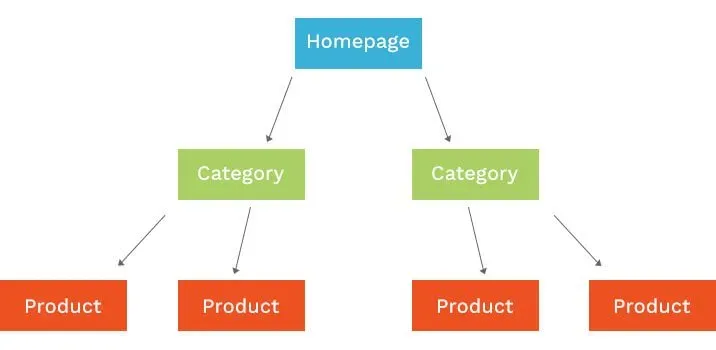
A service business needs one strong page for each service and suburb. A store needs thousands of pages to behave, and the platform generates most of them: category pages, product pages, filter combinations, tag pages and internal search results. Google judges the store on how those templates are built. Fix a template once and every product on it inherits the fix.
The competition is different too. National retailers, the marketplaces and a row of Shopping ads all sit above a store's first organic listing.
Our client list includes stores selling flowers, furniture, lighting, refurbished computers, cakes, lollies and mushroom grow kits. The job has had the same shape every time: categories first, then the product templates, then the links that lift the whole catalogue.
Australian stores with real volume online and margin to reinvest. B2B stores and wholesalers whose buyers search by product name. Stores climbing back from a Google penalty or a platform migration that went badly.
Ecommerce retainers start at $2,000 a month, and the largest national stores run to $20,000, with the consultant's time inside the figure.
Our ecommerce SEO services: what every campaign includes
Six jobs, worked in this order by one ecommerce SEO consultant who stays on the account. The monthly report says which of them moved revenue.
Category pages and copy
Category pages carry most of a store's search volume, so they come first. Keyword research maps every search worth owning to one category, subcategory or collection, and we build the ones you are missing: by brand, by use, by buyer, by city if you deliver there. Our writers add copy above and below the product grid that answers what a buyer asks before they add to cart. A Sydney computer retailer got new brand, city and buyer categories this way, and organic revenue rose 286%.
Product templates and schema
Product pages get fixed at the template, once, and every product inherits the change. Titles and headings are built from the product data. Product and Offer schema carries price, stock and review stars so the listing can earn rich results. Variants are set up so ten colours of one chair count as one page in Google's eyes, and where Merchant Center already holds the feed, the schema is matched to it.
Filters and crawl control
Five filters on a catalogue of 2,000 products can produce more URLs than Google will ever crawl. While it works through colour, size and price combinations, your new products wait. We decide which filter combinations have enough search demand to deserve their own landing page, keep the rest out of the index, and tidy up tag pages, internal search results and pagination so the crawl goes where the revenue is.
Technical SEO for large catalogues
Speed on the category and product templates, scripts left behind by apps nobody uses, redirect chains from discontinued stock, out-of-stock pages, and the internal links your menu and breadcrumbs pass to each category. Platform migrations sit here too. A Western Sydney furniture store had its organic visibility rise 1,365% in the three months after the foundations went in.
Our website migration checklistLink building for stores
Links that point at your categories as well as the homepage: supplier and brand pages, gift guides, industry press, and the blogs that already review what you sell. Our outreach team scores every prospect before an email goes out, and each link lands in the report with the linking site's traffic beside it. Stores that arrive with bought links get a clean-up before anything new is built.
Our link building serviceProducts in AI answers
Shoppers now ask ChatGPT and Google's AI Mode which blender to buy and where to get it delivered. Those answers pull from stores with clean product data, schema, reviews and category copy that says who each product suits. We track which of your products and categories get named, and it goes in the same report as organic revenue.
Our AI Answers serviceWhat happened after we got these stores ranking
Six online stores, each led by the number the owner cared about. Four of them grew organic revenue by between 100% and 286%.
 Google Search
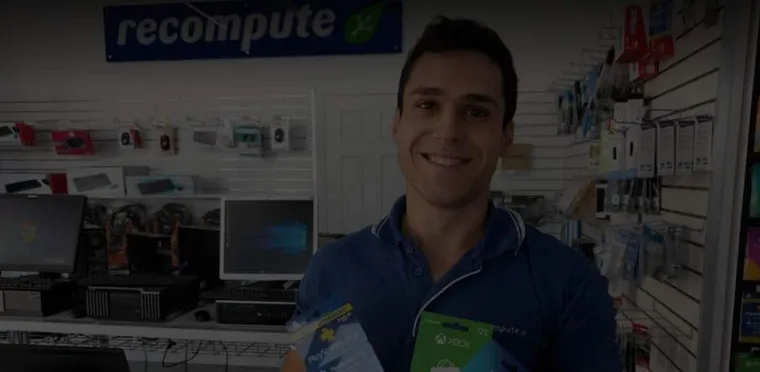
  Refurbished computers · Sydney, NSW How we grew Recompute's organic revenue 286% and organic traffic 900% 286%Organic revenueRead the case study
  Google Search
  Furniture retail · Australia How Hudson Furniture beat a Google penalty and grew organic revenue 140% 220%Google visibilityRead the case study
  Google Search
  Florist · Sydney, NSW How Pearsons Florist doubled organic revenue in a crowded flower market 100%Organic revenueRead the case study
  Google Search
  Online lighting retail · Australia How Ozlighting lifted organic revenue 109% in a crowded lighting market 109%Organic revenueRead the case study
  Google Search
  Gourmet mushroom grower · Brisbane, QLD How Little Acre went from page 3 to page 1 in under two months #1mushroom grow kit brisbaneRead the case study
  Google Search
  Cake delivery · Sydney, NSW How we grew InstaCake's organic traffic 487% in three months 487%Organic trafficRead the case study
 Ecommerce SEO on Shopify, BigCommerce, WooCommerce and Magento
The platform decides which fixes are a setting, which need a developer and which need an app you can live without. Shopify, BigCommerce and WooCommerce stores are all on our client list today.
Shopify SEO
Fixed /products/ and /collections/ paths, a second URL for every product inside each collection, tag pages that get indexed by the thousand, and themes still loading scripts from apps uninstalled years ago. Most of it gets fixed in the theme code and in robots.txt.liquid, which Shopify lets you edit.
Our Shopify SEO serviceBigCommerce SEO
More control over URLs than Shopify, with product filtering that writes parameter URLs as shoppers click through the facets. The work is mostly category structure, custom fields that feed the schema, and keeping filter URLs out of the index until one has the search demand to earn a page.
WooCommerce SEO
WordPress underneath, which means total flexibility and plenty of room for mess: plugin conflicts, heavy themes, and product categories and tags that duplicate each other. Our developers work in the code, and the SEO plugin gets set up for a store, because its defaults are written for a blog.
Magento and Maropost
Adobe Commerce and Maropost Commerce Cloud (formerly Neto) both give developers deep control, and both produce duplicate layered-navigation URLs when nobody is watching. They get the same audit as every other store. If your own developers own the codebase, the fix list goes to them in priority order.
Your Shopping data picks the pages we build first
Most stores that ring us already run Google Shopping or Performance Max. That account has spent real money learning which products and search terms turn into orders. The search terms report comes out before the keyword map gets written, so the first categories we build are the ones already proven to sell.
The same agency runs Shopping campaigns for Australian retailers, so the ads and the SEO get planned in one room. Once a category ranks on its own, the ad budget on those terms can move to products that still need paid traffic.
Our Google Ads serviceWhy online stores stay on after month three

 Rob HoangSEO Lead
  Kat ZhuSenior SEO Specialist
 Dom HereraSenior SEO Specialist
What clients say about working with us
Four reviews from the 70-plus on Google and Clutch, quoted as written.
We're achieving our revenue goals and our ROAS goals, with a high volume of customers to the online store and a higher volume of customers to the bricks-and-mortar store too. Extremely organised, responded quickly to our needs, took our recommendations on board and delivered on time. Their response times are impressive.
Robert and the Local Digital team are fantastic! They've been on the journey with us from almost the very beginning and have helped facilitate our business's growth and expansion. Thank you for your dedication and ongoing commitment to our success.
I have been working with Local Digital to manage our SEO and Google Ads for a few years now and I am very happy with the level of support we receive and the ability to communicate efficiently and openly.
Michael, Arthur and the team have helped grow our business online. We have worked with a number of different agencies in the past who promised the world but delivered lacklustre results and excuses. Local Digital have been transparent since day one and have always delivered on their promises.
When a store has lost its rankings
Two things wipe out a store's organic revenue overnight: a manual action for bought links, and a platform migration that forgot the redirects. We have recovered stores from both. The order of the work matters more than the speed of it.
Find what changed
Search Console, the crawl history and the backlink profile show whether it was an algorithm update, a manual action or the migration. Each one has a different fix, so nothing gets touched until we know which.
Redirect every URL that earned something
Old product and category URLs that carried links or traffic get mapped one to one to their closest live page. Pointing them all at the homepage throws the value away. Every hop is checked to land on a page that loads.
Clean the links, then ask
Bought links are listed, removed where the site owner answers and disavowed where they do not. Then the reconsideration request goes in with the evidence attached.
Grow past the old numbers
Recovery is the floor. A furniture retailer penalised for an offshore link builder's work came back, moved platforms, and now sits at 140% more organic revenue than before the drop.
Local Digital have been instrumental in the development of not only our organic and paid search, but also developing our new site and products. Great guys, great service!
The SEO Show, from the team running your store's SEO
Michael and Arthur have hosted The SEO Show since June 2021: category pages, migrations, links, AI search, what an agency should cost and when to sack one. Plenty of store owners listen before they ring us, which makes the first call a lot shorter.
Finalist, Best Business Podcast 2022

SEO reading for store owners
 Shopify SEO: Quick Tips to Boost Your Store's Rankings It's no secret that having a strong online presence is vital for businesses these days, and Shopify is an excellent platform for setting up your…
  Michael Costin · 26 Nov 2023
  Shopify SEO: Ultimate Guide for 2021 Ever since its launch over 15 years ago, Shopify has become the most popular eCommerce platform in the world.
  Arthur Fabik · 2 Mar 2021
  Key Metrics for Assessing Quality Links in Link Building Understand the power of quality links in SEO. Learn key metrics to assess link quality and enhance your site's authority and search rankings. Arthur Fabik · 20 Jan 2026
  Website Migration Checklist: How To Get It Right Picture this: your lead generation has picked up. Your customer base has become something out of a dream. Arthur Fabik · 29 Mar 2022
  Boost Your Website’s Crawlability and Quality With Internal Linking When it comes to SEO, there’s a lot going on. So much, in fact, that it’s easy to overlook some of the most important pieces. Arthur Fabik · 17 Aug 2022
  How much does SEO cost in Australia? What 232 agencies actually charge We audited the published SEO pricing of 232 Australian agencies: median entry price $1,200 a month, middle of the market $1,000 to $3,500 a month. Michael Costin · 16 Sept 2026
 From first call to first report
Free SEO audit and proposal
Send us your website. We crawl it, check your competitors and come back with the pages to cut, keep and rebuild, plus a price. If SEO is the wrong tool for your business we'll say so and suggest what's right.
A 90-day plan
Month one is foundations: technical fixes, tracking, the keyword map and your SEO strategy. Months two and three are the build: new pages, rebuilt pages, content and the first links.
Build, every month
Pages, content, links and technical work, on a schedule you can see on the project board. Questions go in Slack and get answered by the person doing the work.
Report on leads
Calls, forms and sales from organic search, this month against last. Then we adjust next month's plan based on what the phone did.
What ecommerce SEO costs
One figure a month. Content, links, developer time, the consultant and our own tools sit inside it, and the report measures organic revenue against that same figure.
Stores cost more to rank than service businesses, because the work runs across thousands of URLs and the competition includes national retailers. A one-category store delivering in one city sits near the bottom of the range. A national catalogue up against the big retailers sits near the top, and we'll tell you which one you are before you commit to anything.
We used AI, scrapers and our own tools to audit the pricing of 220+ Australian SEO agencies and prepare the ultimate guide to what SEO actually costs.
How much does SEO cost in Australia? Our breakdown of what agencies chargeThe rest of our SEO services
SEO services, Australia-wide
The parent page: the full campaign, the pricing, the team and results from every state.
Read moreSEO agency Sydney
The Parramatta office, and what a campaign looks like in the most contested market in the country.
Read moreSEO agency Gold Coast
Our Queensland team in Burleigh Heads, working from Coolangatta to Southport.
Read moreLink building services
Digital PR, guest content and citations from Australian sites with real readers.
Read moreWant more sales from Google?
Send the store over. You get a free ecommerce SEO audit with the templates, filters and categories sorted into cut, keep and rebuild, a price beside each line, and a consultant's read before it goes back.
Common ecommerce SEO questions
Ecommerce SEO is the work that gets an online store's category and product pages ranking in Google's organic results, and named in AI shopping answers. Most of it happens in templates: the category structure, product page markup, schema, filters and internal links. Then come the links from other websites that give the whole store authority. One template decision changes thousands of pages, which is why it is its own discipline.
Australian agencies charge from $500 to $20,000 a month. Ours start at $2,000, and the largest national ecommerce campaigns run to $20,000, with content, links, developer time and the consultant inside the one figure. We audited what 232 Australian agencies charge and published every number. What Australian agencies charge →
Template and technical fixes show within weeks. Category pages in a contested market move in two to four months. A Brisbane grower went from page three to page one in under two months, and a Sydney computer retailer's organic revenue kept climbing month on month long after the foundations went in. We will tell you which timeline your market looks like before you spend anything.
Shopping pays for every click. An organic listing earns its clicks for free once it ranks, and it sits on the same results page as your Shopping ads, so a store with both takes up more of the page. Your Shopping search terms report also tells us which categories to build first. Our Google Ads service →
Yes, when your products have search volume and your margins can carry a three to six month runway. A small Brisbane grower was on page one for its target terms in under two months. If the numbers are tighter than that, Google Shopping will return faster, and we will say so on the first call.
Yes. Shopify, BigCommerce and WooCommerce stores are all on the client list today. Magento and Maropost stores get the same audit, with a fix list for your developers if they own the code. The platform changes how a fix gets made; the fixes themselves barely change. Ecommerce SEO by platform →
Templates first, so every product inherits the fix. Then crawl control: filter combinations with real search demand get their own indexable landing page, and the rest stay out of the index. Discontinued products redirect to the closest live product or category, so the links they earned keep working.
Owns the keyword map for your catalogue, decides which categories and filters deserve their own pages, briefs the writers and developers, checks what shipped and signs off the monthly report. Ours stays on the account, which is how they come to know which products carry the margin.
Category pages, for most stores. They match the broad searches with the volume, like "refurbished laptops" or "flower delivery sydney", and they pass authority down to every product listed on them. Product pages win the specific searches: model numbers, brand plus product, and the questions a buyer asks right before paying.
Yes. Every URL that carries traffic or links is mapped one to one before launch, metadata and copy move across intact, and the new store gets crawled the day it goes live. A national office technology brand came to us after another agency's migration sent its rankings into freefall. The recovery took it past its pre-migration numbers, to 12,563 ranking keywords. Our website migration checklist →
No. The AI answers in Google and ChatGPT pull from the same product data, reviews and pages that rank organically. Clean schema and category copy that says who each product suits make a store easier to recommend, and we track where your products get named. Our AI Answers service →
No. Three months to start, because that is the shortest honest runway for search, then month to month with no notice period. Every page, link and account we build is in your name from the first invoice. Read the Very Fair Terms →
Yes. The team works from Parramatta and Burleigh Heads, and stores anywhere in Australia run on the same process. The Slack channel works from anywhere, and the report lands on the first of the month wherever your warehouse is. SEO agency Sydney →