The Shopify SEO agency that measures in revenue, not rankings
Shopify gets the basics right and hides the rest. We fix the collections, product templates, duplicate URLs and app bloat that decide how much of your store Google reads, earn the links that lift the catalogue, and report organic revenue on the first of every month.







What Shopify gets right, and what it hides
Shopify does a lot for you. The hosting is fast, the CDN serves images in modern formats, the sitemap and canonical tags write themselves, and the robots.txt is sensible out of the box. A new store on a decent theme starts ahead of most WordPress builds.
The trouble sits in the parts you cannot see from the admin. Every product has a second URL inside each collection it belongs to, and most themes link to that version. Tag filters create a new collection page for every tag. Apps you removed two years ago still load scripts in the theme. The /products/ and /collections/ prefixes are fixed, so a migration onto Shopify changes almost every URL you had.
None of that shows up in a Shopify SEO app's score. All of it shows up in how much of your store Google bothers to crawl.
Australian Shopify and Shopify Plus stores with real volume online and margin to reinvest. Stores moving onto Shopify from WooCommerce, Magento, BigCommerce or a custom build. Stores whose SEO app scores them 98 while organic revenue sits flat.
Shopify retainers start at $2,000 a month, and the largest national stores run to $20,000, with the consultant's time inside the figure.
Our Shopify SEO services: what every campaign includes
Six jobs, worked in this order by one Shopify SEO consultant who stays on the account, with our developers working in your theme. The monthly report says which of them moved revenue.
Shopify SEO audit
A full crawl of the store, read against the theme code. It finds the collection-aware product links, indexed tag and filter pages, variant and pagination URLs, broken redirects from old platforms, missing schema and the apps slowing every template. It comes back as a priority list, with each fix marked as a theme change, an admin setting or an app to remove.
Collections SEO
Collections carry the search volume, so they come first. The keyword map decides which collections you need, including the ones you are missing, and our writers add copy above and below the product grid using metafields so it survives a theme update. Smart collections get checked so they stop generating near-duplicates of each other.
Product templates and product SEO
Titles, headings and meta built from product data at the template, so thousands of products get fixed in one change. Theme links point at the canonical /products/ URL. Variants stay on one page. Descriptions get rewritten for the products that earn the most, starting with the ones already on page two.
Theme speed and app clean-up
Most slow Shopify stores are slow because of apps: review widgets, upsell pop-ups and chat bubbles loading on every page, plus code left in the theme by apps uninstalled long ago. We measure each one, remove what is dead, defer what can wait, and fix the image sizes the theme requests on mobile.
Core Web Vitals, explainedStructured data and Merchant Center
Most themes ship basic Product schema and leave out brand, GTIN, review ratings, shipping and returns. We fill the gaps in the theme, match the markup to your Merchant Center feed, and add Organization and breadcrumb data so Google and the AI shopping tools read the store the same way.
Links and content
Links that point at your collections, earned from suppliers, gift guides, industry press and the blogs that review what you sell. Buying guides on the Shopify blog answer the questions shoppers ask before they buy and link down to the right collection.
Our link building serviceWhat happened after we got these Shopify stores ranking
Six stores that run on Shopify today, each led by the number the owner cared about.
 Google Search
  Furniture retail · Australia How Hudson Furniture beat a Google penalty and grew organic revenue 140% 220%Google visibilityRead the case study
  Google Search
  Online lighting retail · Australia How Ozlighting lifted organic revenue 109% in a crowded lighting market 109%Organic revenueRead the case study
  Google Search
  Online florist · Melbourne, VIC How Daily Blooms became the first result for flower delivery in every city they serve 10xGoogle trafficRead the case study
  Google Search
  Furniture retail · Western Sydney, NSW How we took a Western Sydney furniture retailer into the top 3 of a brutal market 1,365%Organic visibilityRead the case study
  Google Search
  Gourmet mushroom grower · Brisbane, QLD How Little Acre went from page 3 to page 1 in under two months #1mushroom grow kit brisbaneRead the case study
  Google Search
  Indigenous art and experiences · Australia How Welcome to Country grew first-page rankings 868% in under a year 868%First page rankingsRead the case study
 Moving onto Shopify without losing your rankings
Shopify forces every product under /products/ and every category under /collections/, so a store moving from WooCommerce, Magento, BigCommerce or a custom build changes nearly every URL it has. That is where rankings get lost. A furniture retailer moved onto Shopify with us in the middle of a penalty recovery, and organic revenue is now 140% above where it started.
Crawl and export the old store
Every URL that carries traffic, links or rankings gets recorded before anything moves, along with its title, meta and copy.
Map every URL one to one
Each old product and category URL is matched to its closest new page and loaded into Shopify's URL redirects in bulk. Pointing them all at the homepage throws the value away.
Carry the content across
Titles, meta descriptions, category copy and reviews move with the products, so the new store launches with everything the old one ranked on.
Check on launch day
The new store gets crawled the day it goes live. Every redirect is tested, Search Console gets the new sitemap, and rankings are checked against the old store's baseline.
Your Shopping data picks the pages we build first
Most stores that ring us already run Google Shopping or Performance Max. That account has spent real money learning which products and search terms turn into orders. The search terms report comes out before the keyword map gets written, so the first categories we build are the ones already proven to sell.
The same agency runs Shopping campaigns for Australian retailers, so the ads and the SEO get planned in one room. Once a category ranks on its own, the ad budget on those terms can move to products that still need paid traffic.
Our Google Ads serviceWhy Shopify stores stay on after month three

 Rob HoangSEO Lead
  Kat ZhuSenior SEO Specialist
 Dom HereraSenior SEO Specialist
What clients say about working with us
Four reviews from the 70-plus on Google and Clutch, quoted as written.
We're achieving our revenue goals and our ROAS goals, with a high volume of customers to the online store and a higher volume of customers to the bricks-and-mortar store too. Extremely organised, responded quickly to our needs, took our recommendations on board and delivered on time. Their response times are impressive.
Robert and the Local Digital team are fantastic! They've been on the journey with us from almost the very beginning and have helped facilitate our business's growth and expansion. Thank you for your dedication and ongoing commitment to our success.
I have been working with Local Digital to manage our SEO and Google Ads for a few years now and I am very happy with the level of support we receive and the ability to communicate efficiently and openly.
Michael, Arthur and the team have helped grow our business online. We have worked with a number of different agencies in the past who promised the world but delivered lacklustre results and excuses. Local Digital have been transparent since day one and have always delivered on their promises.
The SEO Show, from the team running your store's SEO
Michael and Arthur have hosted The SEO Show since June 2021: category pages, migrations, links, AI search, what an agency should cost and when to sack one. Plenty of store owners listen before they ring us, which makes the first call a lot shorter.
Finalist, Best Business Podcast 2022

Shopify SEO reading
 Shopify SEO: Quick Tips to Boost Your Store's Rankings It's no secret that having a strong online presence is vital for businesses these days, and Shopify is an excellent platform for setting up your…
  Michael Costin · 26 Nov 2023
 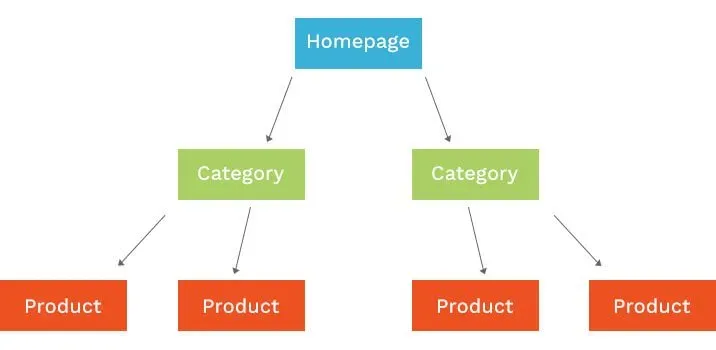 Shopify SEO: Ultimate Guide for 2021 Ever since its launch over 15 years ago, Shopify has become the most popular eCommerce platform in the world.
  Arthur Fabik · 2 Mar 2021
  Website Migration Checklist: How To Get It Right Picture this: your lead generation has picked up. Your customer base has become something out of a dream. Arthur Fabik · 29 Mar 2022
  Core Web Vitals Explained: Your Guide to Google's Performance Metrics Core Web Vitals are a set of metrics devised by Google to help you understand and enhance your website's user experience in terms of loading… Arthur Fabik · 17 Jan 2024
  Boost Your Website’s Crawlability and Quality With Internal Linking When it comes to SEO, there’s a lot going on. So much, in fact, that it’s easy to overlook some of the most important pieces. Arthur Fabik · 17 Aug 2022
  How much does SEO cost in Australia? What 232 agencies actually charge We audited the published SEO pricing of 232 Australian agencies: median entry price $1,200 a month, middle of the market $1,000 to $3,500 a month. Michael Costin · 16 Sept 2026
 From first call to first report
Free SEO audit and proposal
Send us your website. We crawl it, check your competitors and come back with the pages to cut, keep and rebuild, plus a price. If SEO is the wrong tool for your business we'll say so and suggest what's right.
A 90-day plan
Month one is foundations: technical fixes, tracking, the keyword map and your SEO strategy. Months two and three are the build: new pages, rebuilt pages, content and the first links.
Build, every month
Pages, content, links and technical work, on a schedule you can see on the project board. Questions go in Slack and get answered by the person doing the work.
Report on leads
Calls, forms and sales from organic search, this month against last. Then we adjust next month's plan based on what the phone did.
What Shopify SEO costs
One figure a month. Content, links, developer time, the consultant and our own tools sit inside it, and the report measures organic revenue against that same figure.
Stores cost more to rank than service businesses, because the work runs across thousands of URLs and the competition includes national retailers. A one-category store delivering in one city sits near the bottom of the range. A national catalogue up against the big retailers sits near the top, and we'll tell you which one you are before you commit to anything.
We used AI, scrapers and our own tools to audit the pricing of 220+ Australian SEO agencies and prepare the ultimate guide to what SEO actually costs.
How much does SEO cost in Australia? Our breakdown of what agencies chargeThe rest of our SEO services
Ecommerce SEO
The parent service: category pages, filters and links for stores on every platform.
Read moreSEO services, Australia-wide
The full campaign, the pricing, the team and results from every state.
Read moreLink building services
Outreach, digital PR and citations from Australian sites with real readers.
Read moreSEO agency Sydney
The Parramatta office, and what a campaign looks like in the most contested market in the country.
Read moreWant more sales from Google?
Send the store over. You get a free Shopify SEO audit with the theme, collections and apps sorted into cut, keep and rebuild, a price beside each line, and a consultant's read before it goes back.
Common Shopify SEO questions
Yes. Fast hosting, automatic sitemaps, canonical tags and an editable robots.txt put a Shopify store ahead of most platforms on day one. The weak spots are the fixed URL prefixes, a duplicate product URL inside every collection, indexed tag pages and app scripts, and every one of them can be fixed in the theme.
The strategy is the same: pages that match what people search, a site Google can crawl, and links from sites people read. The difference is where the fixes happen. On Shopify most of them happen in Liquid templates, theme settings and robots.txt.liquid, and knowing which ones Shopify will let you change saves weeks.
Rarely. Most SEO apps write meta tags you could write in the admin, add schema your theme may already output, and load scripts on every page. The exceptions are specific jobs such as bulk redirect imports or image compression on a large catalogue, and we will tell you if one is worth keeping.
Ours starts at $2,000 a month and the largest national stores run to $20,000, with theme work, content, links and the consultant inside the one figure. A one-category store in one city sits near the bottom of that range. We audited what 232 Australian agencies charge and published every number. What Australian agencies charge →
Theme and technical fixes go live within weeks. Collection pages in a contested market move in two to four months. A Brisbane grower on Shopify went from page three to page one in under two months, and a Western Sydney furniture store had its organic visibility rise 1,365% in its first three months.
Yes. Every URL that carries traffic or links is mapped one to one and loaded into Shopify's URL redirects before launch, the content moves across intact, and the new store is crawled the day it goes live. A furniture retailer moved onto Shopify with us mid-recovery and grew organic revenue 140% past its old numbers. How we run a Shopify migration →
No, those prefixes are fixed by Shopify. It does not hold a store back: Google ranks Shopify stores with those paths every day. What matters is the handle after the prefix, which you control, and making sure your theme links to the canonical product URL.
Yes. Shopify Plus changes the checkout and the automation more than the SEO. Shopify Markets handles international stores with subfolders and hreflang tags, and we check both are set up so Australian shoppers see the Australian store in Google.
Yes. The same agency runs Shopping and Performance Max campaigns for Australian retailers, and the search terms report from those campaigns picks the collections we build first. Our Google Ads service →
Yes. BigCommerce and WooCommerce stores are on the client list today, and Magento and Maropost stores get the same audit. The ecommerce page covers how the work changes by platform. Our ecommerce SEO service →